Long before we had luxury home spas, eucalyptus steamers, or “self-care Sundays,” there was the bathhouse — a sacred space where communities came together to cleanse, restore, and connect. While this ancient ritual dates back to around 2500 B.C., it’s finding new life in today’s wellness world.
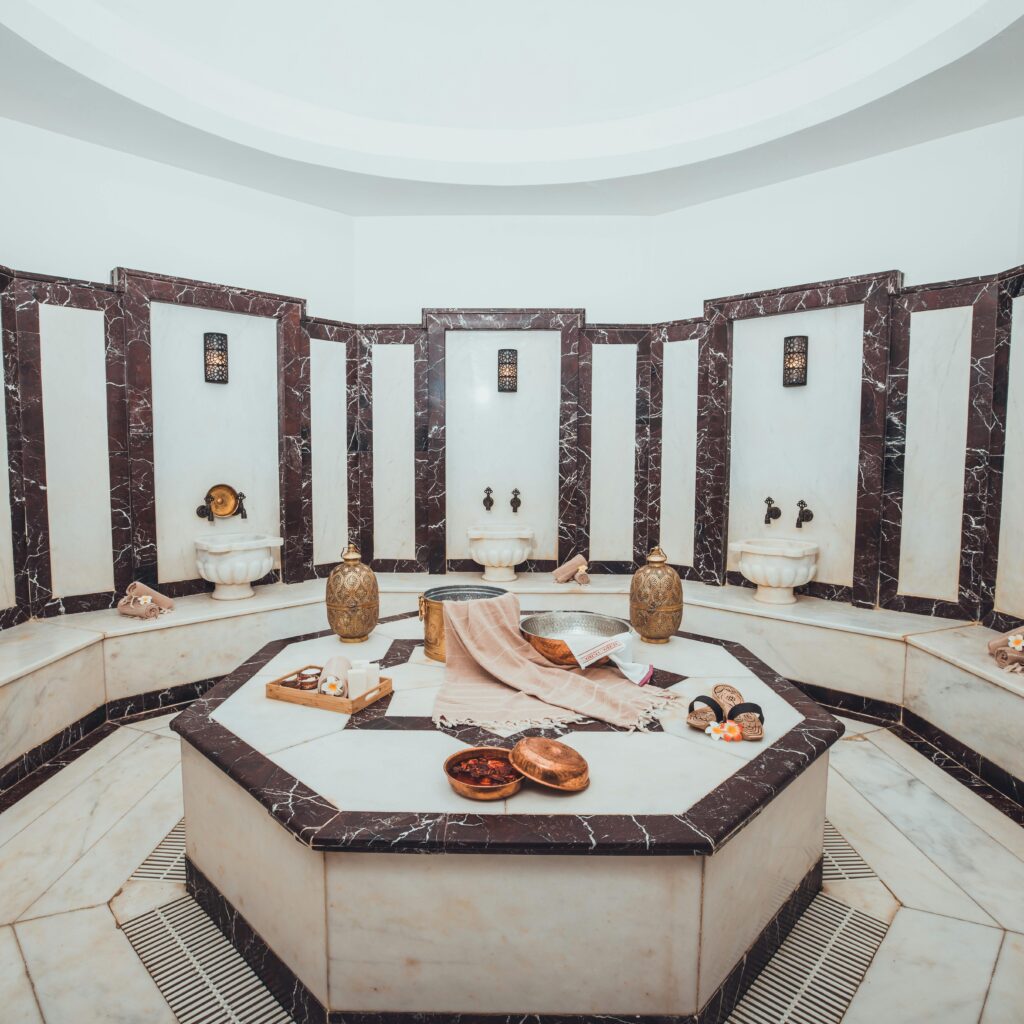
According to the Global Wellness Institute, bathhouses ranked among the top hydrothermal trends of 2024, signaling a massive modern revival. But what’s behind the renewed fascination with communal bathing? Simply put: bathhouse culture is being reimagined for the 21st century — merging ancient rituals with sleek design, modern amenities, and a much-needed sense of slow living.
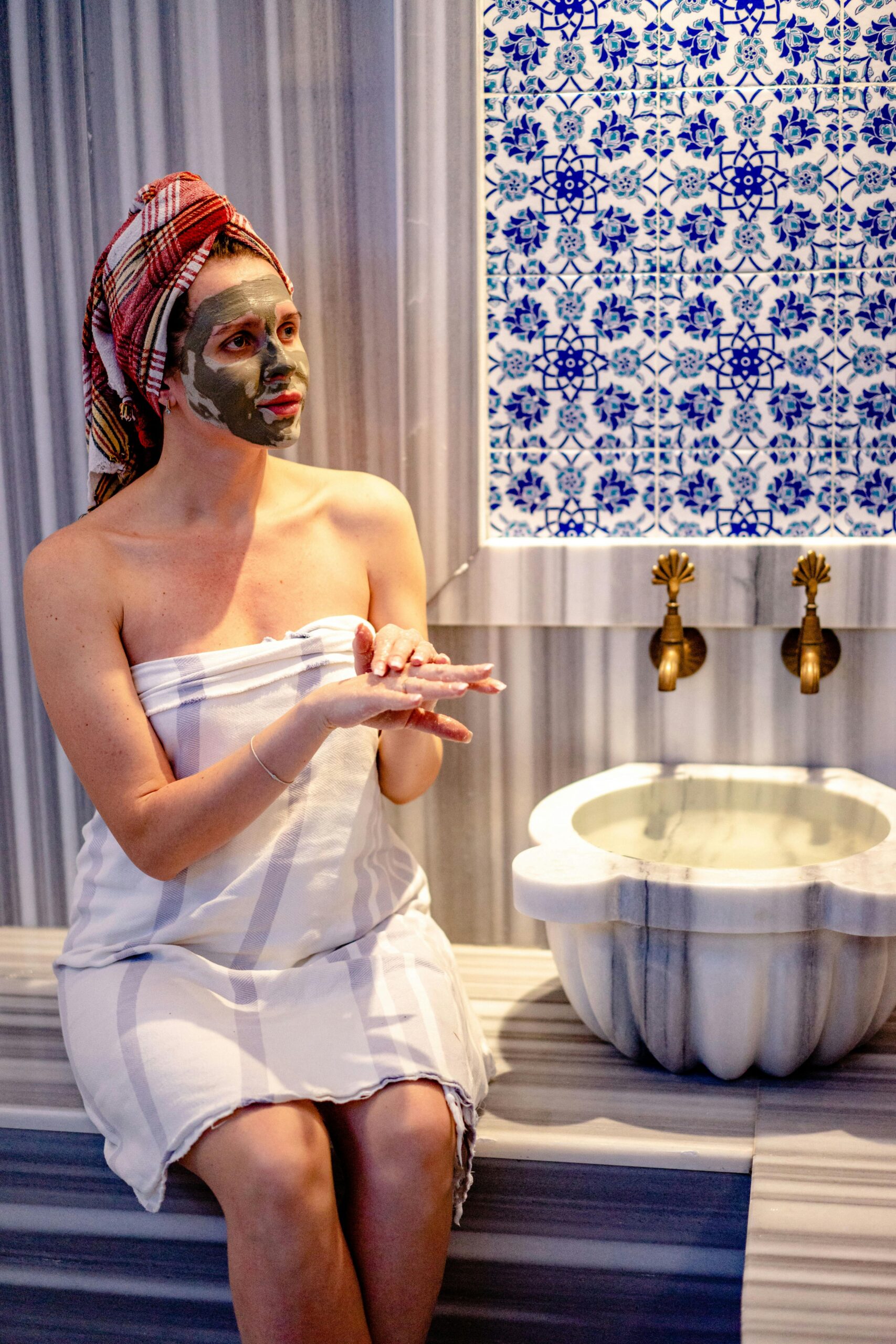
Whether it’s a family-owned Russian banya, an elegant Turkish hammam, or a minimalist New York urban spa, bathhouses are bubbling up around the world — and they’re redefining what wellness means.
We spoke with founders, practitioners, and modern bathhouse devotees to unpack the history, purpose, and growing allure of these communal sanctuaries.
What Exactly Is a Bathhouse?
At its core, a bathhouse is a shared space for cleansing and renewal — often featuring a series of heated and cooled rooms, mineral pools, and steam chambers designed to balance body and mind.
But each culture brings its own twist. From Japan’s serene onsens to the ornate Turkish hammam and rustic Russian banya, the details shift — yet the purpose remains the same: purification, connection, and restoration.
Teyma Touati, founder of Nerrā, grew up in Carthage, Tunisia, surrounded by Mediterranean bathhouse culture. Her brand is now dedicated to bringing the bathhouse experience home through luxurious self-care rituals.
“The Mediterranean bathhouse tradition is a melting pot,” she says. “The Greeks gave us hot baths and self-care; the Romans expanded it into massive public thermae; the Turks added marble interiors and created the hammam. In North Africa, we combined all of that — and introduced body treatments like clay masks, exfoliation, and nourishing oils.”
It’s this fusion of ancient wisdom and sensory experience that’s inspiring modern wellness destinations across the globe.
From Ancient Rituals to Modern Sanctuaries
Andrea Trillo, Marketing Director of AIRE Ancient Baths, says their mission is to reinterpret age-old traditions for the modern soul.
“Roman thermae, Greek balaneia, and Ottoman hammams weren’t just about hygiene — they were social and spiritual centers,” Trillo explains. “Our bodies still crave that connection to water and community.”
Similarly, Jason Goodman, co-founder of Bathhouse in Brooklyn and Flatiron, says the idea was to combine “ancient healing traditions with modern hospitality.”
“Bathhouses are not spas,” Goodman clarifies. “Spas are often solitary experiences. Bathhouses are communal — they’re about connection, recovery, and results.”
Modern bathhouses might include infrared saunas, cold plunges, massages, or guided breathwork sessions, but the goal remains timeless: to leave feeling renewed, inside and out.
More Than Relaxation — It’s a Full-Body Reset
While bathhouses are undeniably relaxing, they offer far more than that. The experience supports detoxification, skin renewal, improved circulation, and deep stress relief.
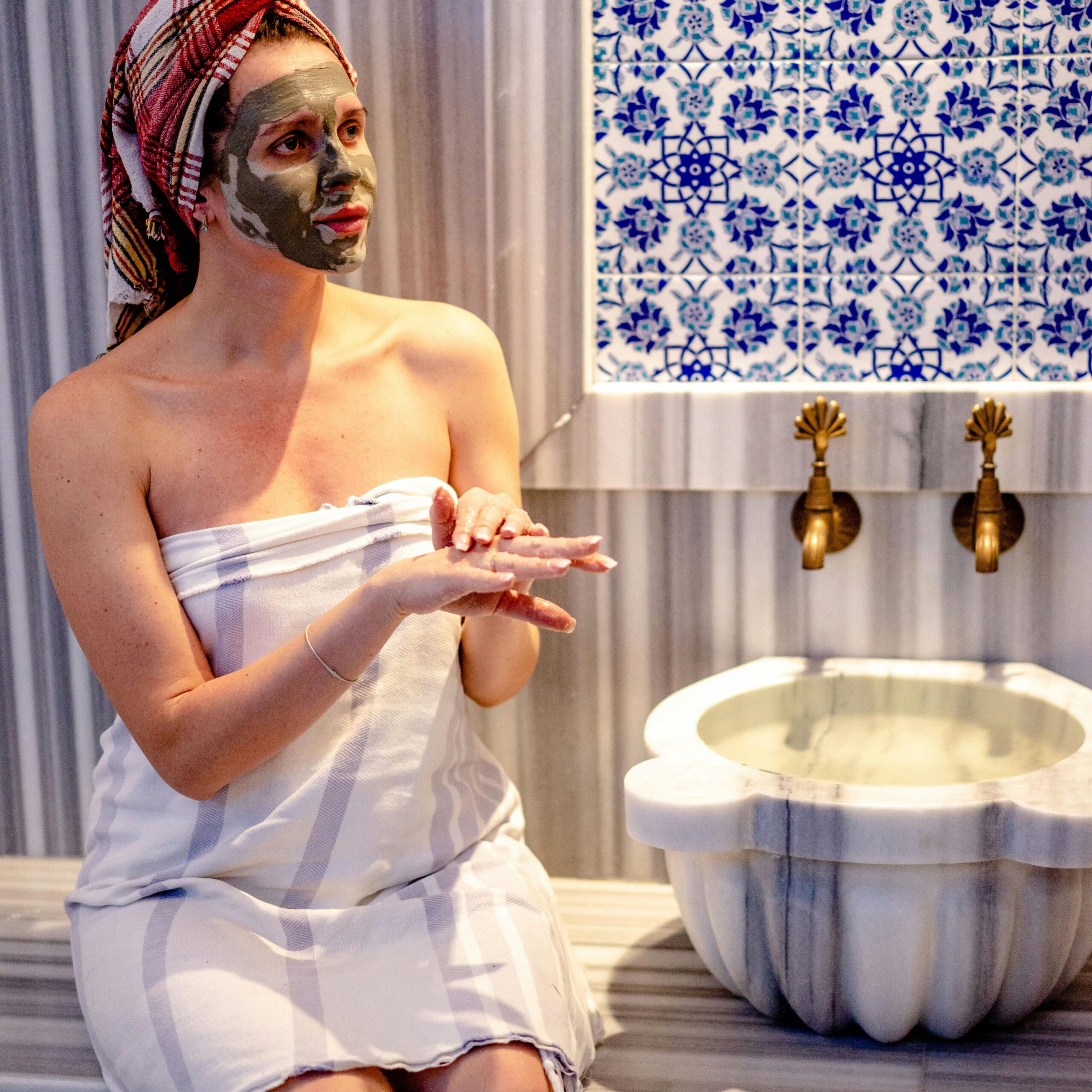
“Bathhouses are about cleansing and nourishing the skin,” says Touati. “It’s a full-body ritual — exfoliation, steam, hydration, and oils. It’s bodycare as a spiritual practice.”
Model and yoga teacher Mominatu Boog, a devoted bathhouse-goer, says the benefits extend beyond the skin.
“I’ve been going for 14 years — three or four times a week,” she says. “Steam, sauna, and cold plunge cut my recovery time in half. It’s my reset button.”
Crown Affair founder Dianna Cohen adds,
“The cold plunge is both physical and mental. You’re pushing through resistance — and that builds strength and clarity.”
And for Kayla Conti, Head of Black Media Communications at Google, the ritual is also about mental quiet:
“Bathhouses force you to unplug — no phone, no distractions. In a city like New York, that stillness feels revolutionary.”
The Social Soak
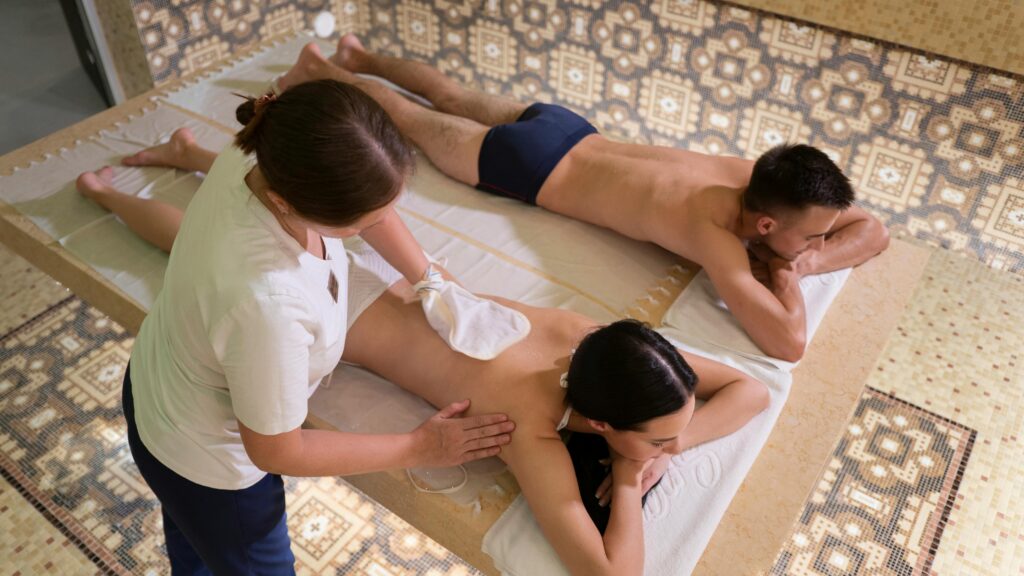
Community has always been at the heart of bathhouse culture. In ancient times, they were places of conversation and laughter — and that spirit is very much alive today.
“Most of our guests come in pairs or small groups,” says Goodman. “Bathhouses are social by design — that aspect hasn’t changed in thousands of years.”
Now, bathhouses are even becoming celebration destinations — for birthdays, self-care parties (“spa-rtys”), and wellness gatherings.
Still, not everyone prefers company.
“I love going alone,” says Boog. “I close my eyes, meditate, and let my body tell me what it needs.”
Both solo and social bathers agree: the experience is completely customizable.
Tips for First-Timers
Feeling a bit intimidated? Don’t be — bathhouses are designed to meet you where you are. Here’s what seasoned bathhouse-goers recommend:
- Bring water and electrolytes — you’ll sweat, a lot.
- Wear a swimsuit you’re comfortable in (most locations are co-ed).
- Book a time when you’re not rushed — think lazy Sunday evening.
- Let go of comparison. Listen to your body; don’t try to “outlast” anyone in a sauna or cold plunge.
- Disconnect. Leave your phone behind and let yourself be fully present.
“The biggest thing I wish I had learned earlier,” says Conti, “is to stop worrying about how I look and start listening to what my body needs.”
The Takeaway
The bathhouse renaissance isn’t just a trend — it’s a return to something we’ve always needed: ritual, rest, and real human connection.
Whether you’re visiting a centuries-old hammam, a modern Brooklyn bathhouse, or creating your own version at home, the experience is about honoring your body — and slowing down long enough to truly listen to it.
So, this winter, trade your bubble bath for something ancient — and infinitely more transformative.
Here’s to the modern ritual of doing absolutely nothing… together.


Laisser un commentaire